For homeowners in Kentucky, Indiana, and Illinois, preparing for severe weather often leads to one important question: Should I choose an above-ground or underground storm shelter?
The truth is, there isn't a one-size-fits-all answer. While many people assume underground shelters are automatically safer, modern engineering has made above-ground storm shelters an excellent option as well. The best choice depends on your home, accessibility needs, available space, and personal preferences.
If you're investing in a storm shelter to protect your family, understanding the differences can help you make a confident decision before severe weather strikes.
Are Above-Ground Storm Shelters Safe?
Yes. Modern above-ground storm shelters are engineered to withstand extreme tornado conditions when properly designed, manufactured, and installed according to recognized industry standards.
Today's steel above-ground shelters undergo rigorous engineering and are designed to resist powerful winds and flying debris. Instead of focusing solely on whether a shelter is above or below ground, homeowners should prioritize selecting a professionally installed shelter built to recognized storm shelter standards.
For many families, an above-ground shelter offers peace of mind without sacrificing accessibility.
Benefits of Above-Ground Storm Shelters
Above-ground shelters have become increasingly popular because they're convenient and easy to access during an emergency. Some of the biggest advantages include:
- Easy entry without climbing stairs
- Ideal for seniors or individuals with mobility concerns
- Fast access during severe weather warnings
- Can often be installed inside garages or other convenient locations
- Minimal excavation compared to below-ground options
For families with young children or elderly parents, eliminating stairs can make a significant difference when every second counts.
Benefits of Underground Storm Shelters
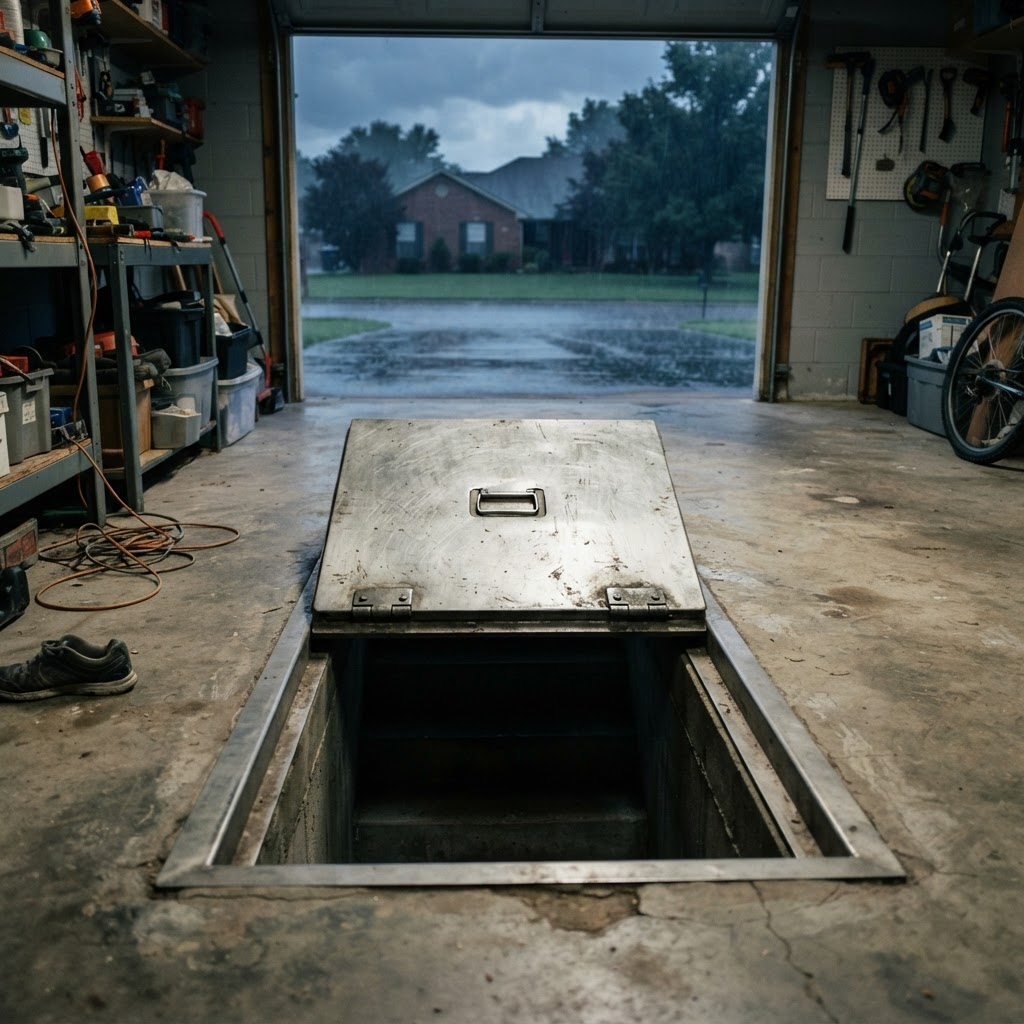
Underground storm shelters have protected families for decades and remain an excellent option for many homeowners. Advantages include:
- Traditional below-ground design
- Available in several sizes to fit different families
- Can be installed beneath garages or in outdoor locations
- Keeps most of the shelter below grade, preserving above-ground space
However, homeowners should also consider factors like accessibility, property layout, drainage, and excavation requirements before choosing an underground installation.
Above-Ground vs. Underground Storm Shelters
| Feature | Above-Ground | Underground |
|---|---|---|
| Accessibility | Excellent for most users | Requires stairs or steps |
| Installation | Typically less excavation | Requires excavation |
| Mobility-Friendly | Yes | May be challenging |
| Common Locations | Garage or above-grade areas | Garage floor or outdoor installations |
| Space Requirements | Uses above-ground space | Uses below-ground space |
| Best For | Easy, quick access | Homeowners preferring below-grade protection |
Neither option is universally “better.” The right choice depends on your family's unique needs and your property's layout.
Factors to Consider Before Buying
Accessibility
Can every member of your household—including children, older adults, and guests—quickly enter the shelter during a tornado warning? If stairs could slow someone down, an above-ground shelter may be the better solution.
Your Property
Every property is different. Your garage layout, available yard space, concrete conditions, utilities, drainage, and soil can all influence which shelter style works best.
Family Size
Think beyond the number of people currently living in your home. Consider pets, visiting relatives, and emergency supplies when selecting the size of your shelter.
Professional Installation
A storm shelter is a life-safety investment. Proper installation is just as important as the shelter itself. Working with experienced professionals helps ensure your shelter is installed correctly for long-term performance.
Why Storm Shelters Matter in Kentucky, Indiana, and Illinois
Residents throughout Kentucky, Indiana, and Illinois know severe weather can develop with little warning. Having a storm shelter already installed means your family doesn't have to make last-minute decisions when dangerous weather approaches.
Instead, everyone knows exactly where to go, allowing you to focus on staying safe rather than searching for shelter.
Frequently Asked Questions
Which type of storm shelter is safer?
Both above-ground and underground storm shelters can provide excellent protection when professionally engineered and installed. The quality of the shelter and installation are more important than whether it sits above or below ground.
Are above-ground shelters good for seniors?
Yes. Many homeowners choose above-ground shelters because they eliminate the need to climb stairs, making them easier to access for seniors and individuals with limited mobility.
Can underground shelters flood?
Proper site selection, drainage planning, and professional installation help address drainage concerns. Be sure to discuss installation conditions with your shelter provider.
Which shelter is best for families?
Many families choose above-ground shelters because they are quick to access, while others prefer underground shelters based on available space and personal preference. The best option depends on your home’s layout and your family’s needs.
Protect Your Family Before the Next Storm
Whether you choose an above-ground or underground storm shelter, the most important decision is making one before severe weather arrives.
StormVault offers multiple residential storm shelter options designed to help homeowners throughout Kentucky, Indiana, and Illinois find the solution that best fits their home and lifestyle.
If you're ready to compare shelter options, contact StormVault today to learn more about available sizes, installation options, and which shelter is right for your property.