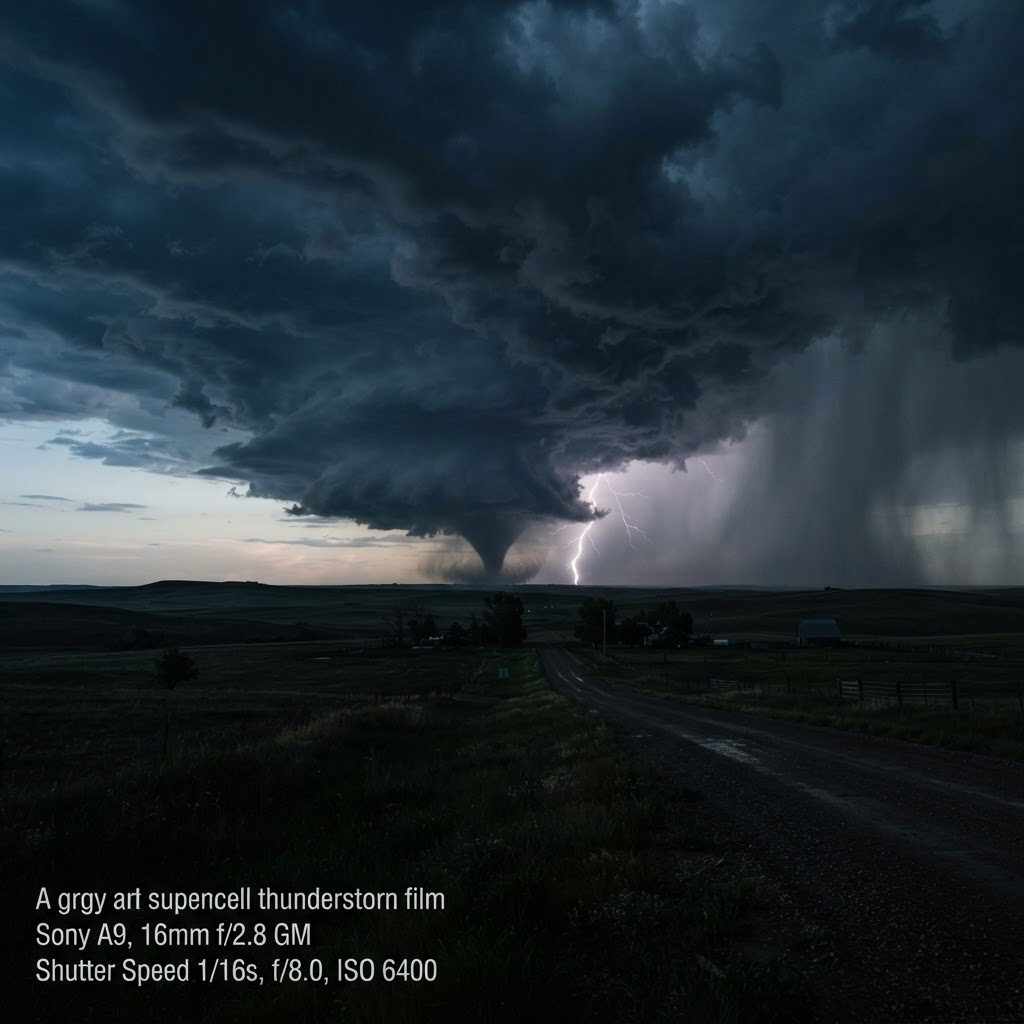
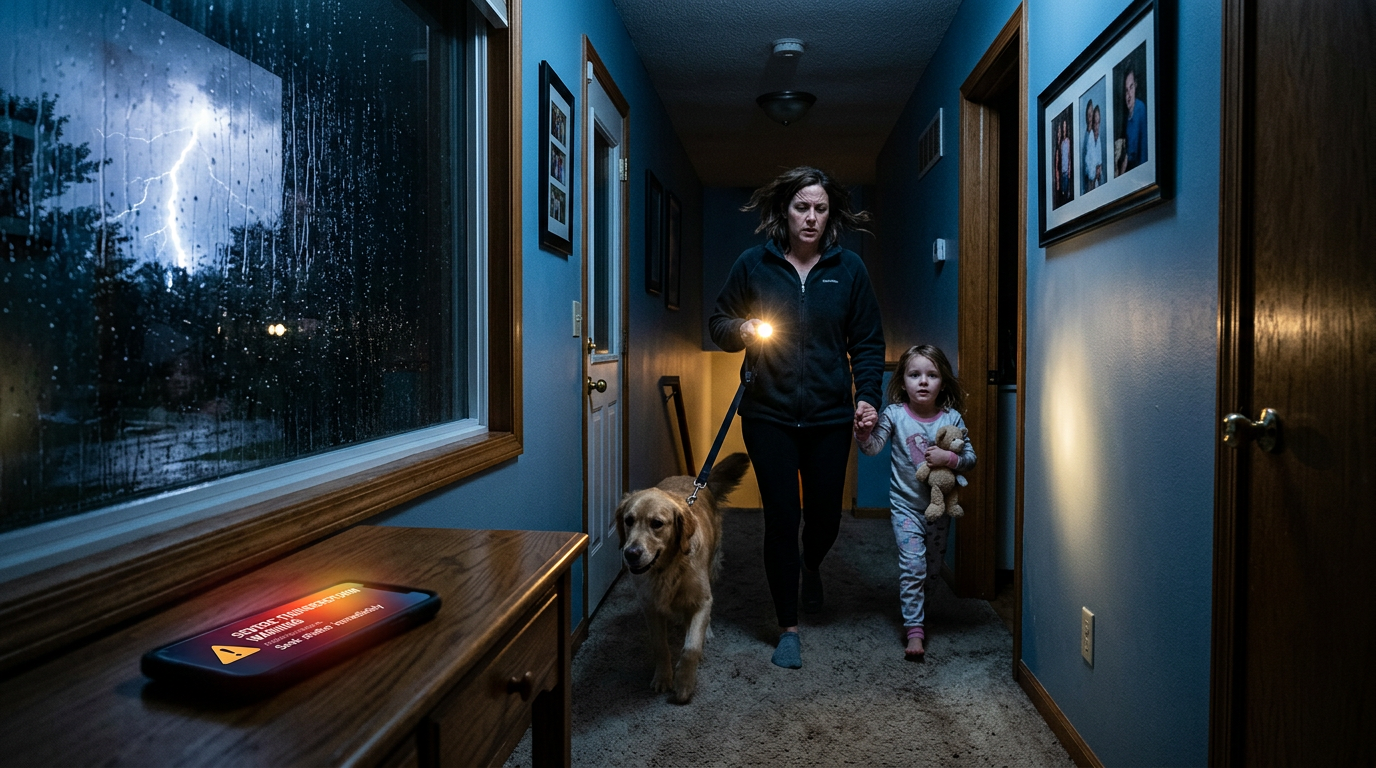
Imagine it's 2:00 a.m. Your family is asleep, rain is pounding against the windows, and suddenly your phone sounds a tornado warning.
Your children are sleeping upstairs. The dog is downstairs. The lights flicker, and you realize you haven't practiced your family's emergency plan in months.
Where does everyone go? Who gets the kids? How quickly can your family reach safety?
For homeowners throughout Kentucky, Indiana, and Illinois, these are questions worth answering long before severe weather arrives.
That's where the 60-second tornado preparedness challenge comes in.
The 60-Second Tornado Preparedness Test
Could everyone in your household reach your designated storm shelter or safe location in 60 seconds?
There's one way to find out: practice!
The 60-second challenge is a simple exercise designed to help families identify potential problems in their tornado emergency plans.
Important: Sixty seconds is a practice challenge, not a guaranteed warning or evacuation window. Tornadoes can develop rapidly, and actual warning times vary. Never delay taking shelter during a real emergency to complete a timed exercise.
- Step 1
Start From Different Rooms
Have family members begin in different areas of your home, just as they might be during an ordinary day.
Someone might be upstairs, another person in the kitchen, and someone else in the living room.
- Step 2
Announce a Practice Tornado Warning
Tell everyone that a simulated tornado warning has been issued.
Start your timer and have each family member safely move toward your designated shelter location.
- Step 3
Follow Your Family's Emergency Plan
Practice helping young children, accounting for pets, and assisting anyone who may have difficulty reaching the shelter independently.
Avoid running or rushing dangerously.
- Step 4
Evaluate Your Results
Once everyone reaches the designated safe location, ask:
- Did everyone know where to go?
- Was the shelter entrance easily accessible?
- Did anyone hesitate or become confused?
- Were children and pets accounted for?
- Did anyone need additional assistance?
- Could your family improve its response?
The goal isn't simply to beat the clock. It's to identify problems before a real emergency occurs.
Why Every Family Should Practice Tornado Drills
Having a storm shelter or designated safe location is important, but knowing how to reach it during an emergency is equally essential.
During severe weather, stress and uncertainty can make even simple decisions more difficult.
Practicing tornado drills at home helps families establish routines, understand individual responsibilities, and become more familiar with their emergency plans.
Regular drills can also reveal obstacles you might otherwise overlook, such as blocked shelter entrances, missing emergency supplies, or family members who need additional assistance.
For households with children, practicing together can help make emergency procedures more familiar and less confusing.
Preparing Young Children and Pets for a Tornado
Families with young children and pets face additional challenges during severe weather.
Children may not fully understand tornado warnings, while frightened pets may hide or become difficult to manage.
Planning ahead can make a significant difference.
- Explain tornado warnings using calm, age-appropriate language.
- Show children exactly where the family will shelter.
- Assign an adult to help younger children.
- Practice moving to the shelter together.
- Teach children not to hide during emergencies.
- Keep leashes or carriers accessible.
- Practice bringing pets into the shelter.
- Store essential pet supplies with emergency equipment.
- Consider how your pets may react to loud noises.
- Never delay your own protective action to search for a missing pet.
Every family member should have a role in your tornado emergency plan.
Nighttime Tornado Safety: Would Your Family Wake Up?
One of the most concerning severe-weather scenarios is a tornado warning issued while everyone is asleep.
Nighttime tornadoes can be especially dangerous because families may have limited visibility, fewer opportunities to recognize approaching weather, and additional challenges getting everyone awake and moving.
That's why nighttime tornado safety should be an essential part of your emergency preparedness plan.
How to Prepare for Nighttime Tornado Warnings
- 1Enable emergency alerts. Make sure compatible phones can receive Wireless Emergency Alerts.
- 2Use multiple warning methods. Consider a NOAA Weather Radio with alert capabilities and battery backup.
- 3Keep emergency supplies nearby. Flashlights, shoes, and essential medications should be easily accessible.
- 4Clear the path to your shelter. Avoid storing boxes, furniture, or other obstacles near shelter entrances.
- 5Assign responsibilities. Determine who will wake children and assist family members with mobility limitations.
- 6Practice a nighttime scenario. Conduct a simulated nighttime drill while everyone is awake.
Remember, outdoor tornado sirens aren't designed to be your only indoor warning system. Multiple reliable alert methods can help your household receive warnings at any hour.
Is Your Storm Shelter Accessible to Everyone?
When researching the best storm shelter for families, homeowners often focus on size, materials, and installation costs.
However, one of the most important considerations is accessibility.
Can every member of your household enter the shelter quickly and safely?
For families with older adults, young children, or individuals with limited mobility, an above-ground storm shelter may offer practical advantages because many configurations eliminate the need to navigate stairs.
Underground storm shelters provide another protective option, but some designs require steps or stairs that may present challenges for certain households.
Both above-ground and underground storm shelters can provide substantial tornado protection when properly engineered and installed according to recognized safety standards.
StormVault offers residential storm shelter options for homeowners throughout Kentucky, Indiana, and Illinois, helping families explore configurations that fit their properties and accessibility needs.
Choosing a shelter your household can safely reach is an important part of tornado preparedness.
Your Family's Tornado Preparedness Checklist
How prepared is your household? Use this checklist to identify potential gaps in your family's emergency plan.
- Everyone knows where our designated tornado shelter or safe location is.
- We've practiced a tornado drill together.
- Our children know which adult will help them.
- We have a realistic plan for our pets.
- Our shelter entrance is accessible and free of obstacles.
- We have multiple ways to receive tornado warnings.
- Flashlights, shoes, and emergency supplies are readily available.
- Essential medications and medical needs are accounted for.
- Family members with mobility limitations have an assistance plan.
- Everyone understands that a tornado warning requires immediate protective action.
If you couldn't check every box, that's an opportunity to improve your plan before severe weather arrives.
Why Tornado Preparedness Matters in Kentucky, Indiana, and Illinois
Tornadoes aren't limited to spring.
Severe thunderstorms capable of producing tornadoes can occur throughout different seasons in Kentucky, Indiana, and Illinois.
Although spring is commonly associated with tornado activity, changing weather patterns can create severe-weather threats during the fall as well.
October is an excellent time to review your family's emergency plan, check weather-alert devices, update emergency supplies, and evaluate your storm shelter options.
Whether your family lives in a suburban neighborhood or on a rural property, the goal remains the same: know where to go before dangerous weather arrives.
Frequently Asked Questions
How much time do you have to take shelter during a tornado warning?
Tornado warning lead times vary, and some tornadoes develop with little or no advance notice. Never assume you have a specific amount of time. Take protective action immediately when a tornado warning affects your location.
How often should families practice tornado drills?
Families should practice regularly and whenever their household's emergency plan changes. Practicing before severe-weather periods can help identify accessibility concerns and improve preparedness.
Where is the safest place to go during a tornado?
A properly designed storm shelter or FEMA safe room provides a high level of protection. If one isn't available, the National Weather Service generally recommends moving to a basement or small interior room on the lowest floor of a sturdy building, away from windows.
Are above-ground storm shelters safe for families?
Yes. Properly engineered and installed above-ground storm shelters can provide substantial tornado protection. Homeowners should verify applicable safety standards, installation requirements, and accessibility when comparing options.
What should families do during a nighttime tornado warning?
Wake household members, follow official instructions, and move immediately to your designated shelter location. Reliable nighttime alerts and a practiced family emergency plan can help everyone respond more efficiently.
When Severe Weather Threatens, Every Second Matters
Your family's safety shouldn't depend on last-minute decisions.
When a tornado warning is issued, everyone in your household should already know where to go, how to get there, and what to do once they arrive.
A well-practiced emergency plan and an accessible storm shelter can help your family prepare for the unexpected.
StormVault helps homeowners throughout Kentucky, Indiana, and Illinois explore above-ground and underground storm shelter solutions designed around their families, homes, and accessibility needs.
Don't wait until severe weather is approaching to discover whether your family is prepared.
Protect what matters most. Prepare today. Practice together. Know where to go.
Ready to find the right storm shelter for your family? Contact StormVault today to explore your options and request a quote.